
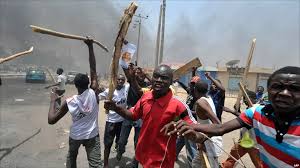
Elections are a cornerstone of democracy, providing citizens the power to choose their leaders peacefully.
However, when violence disrupts this process, it threatens not only lives and property but also the legitimacy of governance itself. We believe that understanding the causes and consequences of electoral violence is essential to building safer, more inclusive democratic systems.
What Is Electoral Violence?
Electoral violence refers to any act of aggression, intimidation, or coercion aimed at influencing electoral outcomes. It can occur before, during, or after elections and may involve:
- Physical attacks on candidates, voters, or election officials
- Destruction of polling materials or offices
- Hate speech, misinformation, and incitement through media
- Voter intimidation or suppression
- Post-election riots and reprisals
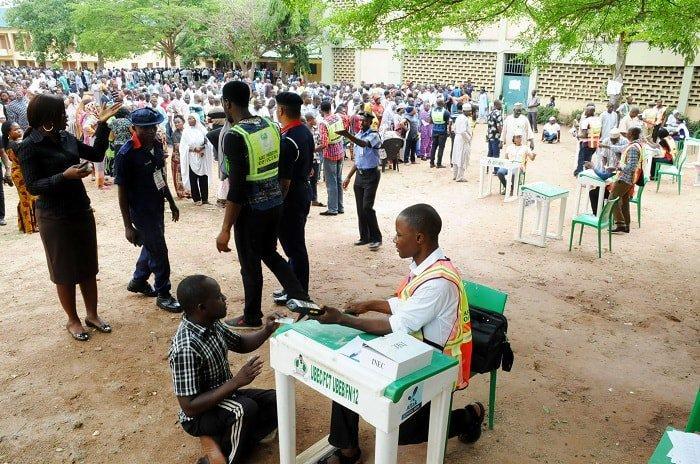
This violence can be physical, psychological, or structural.
It erodes trust in the electoral process, discourages participation, and undermines democratic institutions meant to represent the people’s will.
The Role of the Orient Foundation
As part of its mission to promote social justice and civic responsibility, the Orient Foundation conducts awareness campaigns, capacity-building workshops, and voter-education programmes that strengthen democratic values.
By fostering peaceful dialogue among communities and political actors, the Foundation works to build trust, tolerance, and accountability in Nigeria’s electoral landscape.
Through partnerships with schools, media houses, and civil society groups, the Foundation amplifies the message that elections should unite, not divide.
Our work reminds citizens and leaders alike that democracy thrives only when peace, fairness, and justice prevail.
Conclusion
Electoral violence is not inevitable, it is a symptom of deeper issues that can be addressed through education, dialogue, and institutional reform.
Every citizen, candidate, and organisation has a role in ensuring elections remain peaceful and credible.
The Orient Foundation for Social Justice and Civic Education remains committed to promoting a culture of peace and participation.
When citizens understand their power, when institutions act fairly, and when dialogue replaces hostility, elections become what they are meant to be a true reflection of the people’s will.
